
Smartphones have become an essential part of daily life, and children are using them at increasingly younger ages. While mobile devices offer learning opportunities, communication tools, and entertainment, they also expose kids to risks such as inappropriate content, cyberbullying, online predators, and excessive screen time.
For many parents, monitoring tools provide a way to understand their child’s digital environment and create healthier online habits. This guide explores the best free and affordable Android phone monitoring apps available today, how they work, and how to use them responsibly.
This article is not about spying on partners or violating anyone’s privacy. Instead, it focuses on ethical, legal, and parent‑centered digital safety practices.
🧭 What Matters Most When Choosing a Phone Monitoring App
Before diving into the top apps, it helps to understand the criteria that make a monitoring tool safe, reliable, and appropriate for family use.
1. Ease of Use
Parents should be able to install and navigate the app without technical expertise. The best tools offer:
- Simple setup
- Clear dashboards
- No rooting required
- Intuitive controls
2. Compatibility
The app must work smoothly with the Android version on both the parent’s and child’s devices.
3. Core Features
Look for tools that support:
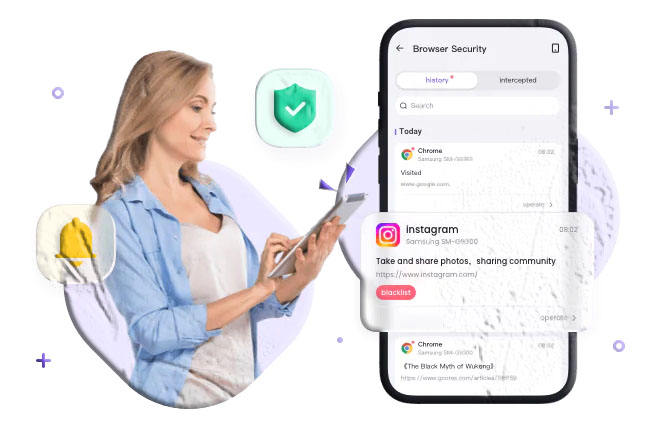
- Content and browsing monitoring
- Screen time tracking
- App usage insights
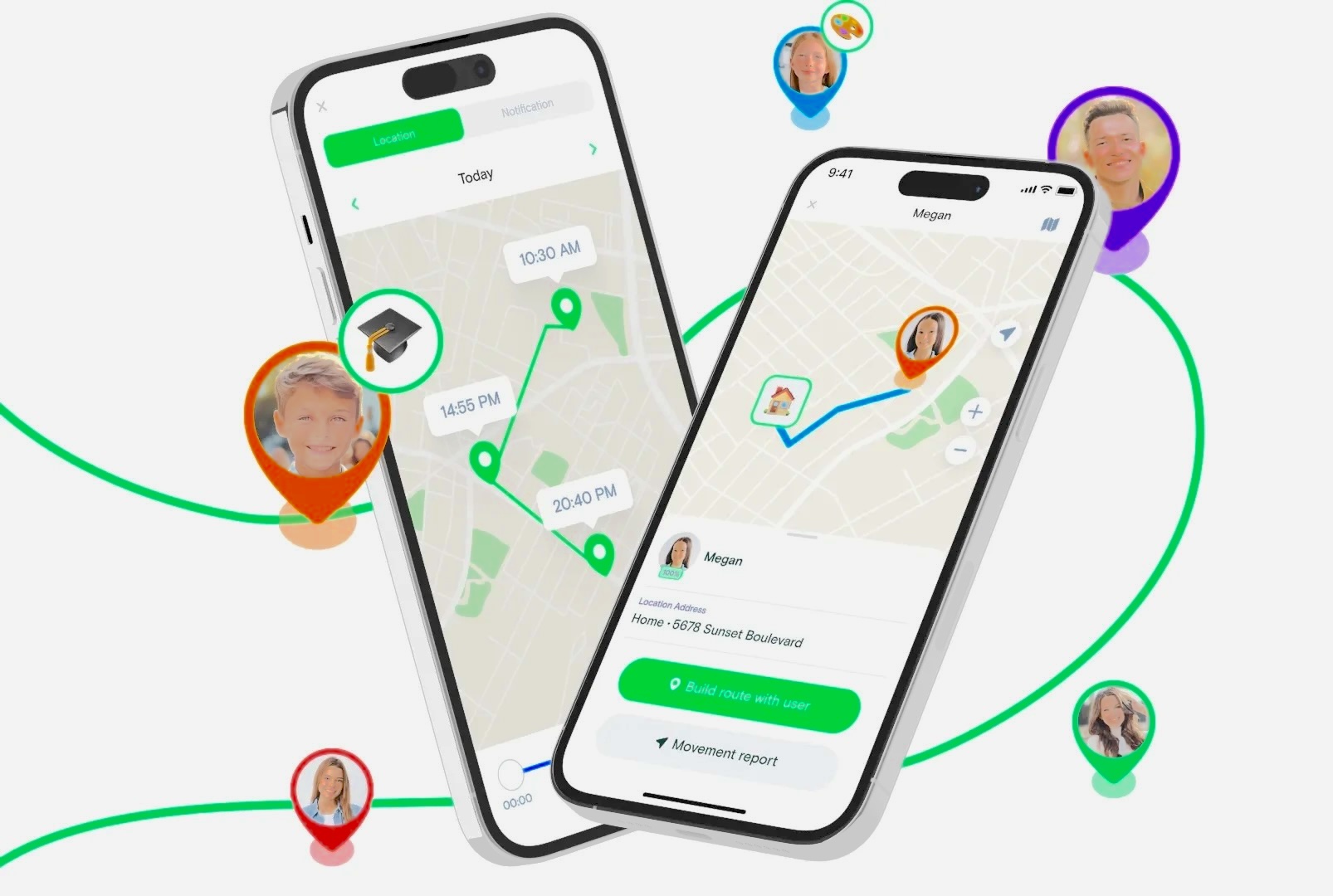
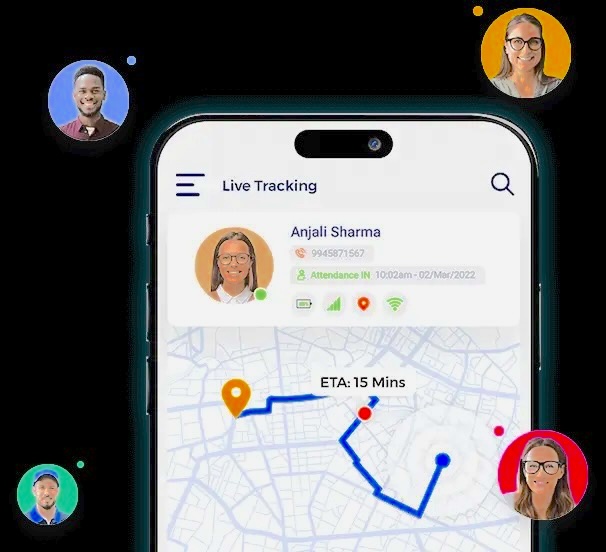
- Location tracking
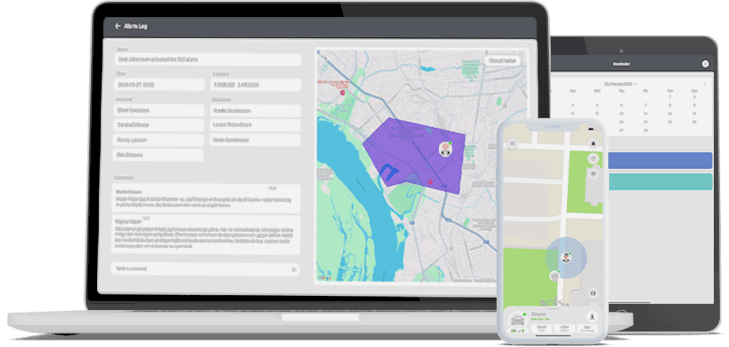
- Alerts for risky behavior
4. Reliability & Transparency
A trustworthy monitoring app should have:
- An official website
- Clear privacy policies
- Customer support
- Regular updates
5. Ethical & Legal Compliance
Monitoring a child under 18 is generally legal for parents or guardians. Monitoring anyone else without consent is not.
📱 Are There Truly Free Phone Monitoring Apps?
Completely free monitoring apps are rare, and many that claim to be free come with:
- Limited features
- Advertisements
- Security vulnerabilities
- Data privacy concerns
Most reputable apps offer:
- Free trials
- Free demos
- Limited free versions
These allow parents to test features before committing to a subscription.
⭐ Top 10 Free & Affordable Phone Monitoring Apps for Android
Below is a fully rewritten, neutral, parent‑friendly breakdown of the most notable options.
1. PhoneParental
PhoneParental is designed specifically for families who want a comprehensive view of their child’s digital activity. It includes real‑time monitoring tools and optional stealth features, though parents should always use monitoring transparently and ethically.
Key Features
- Live screen view during emergencies
- Alerts for inappropriate content
- App notification monitoring
- Daily and weekly activity summaries
- Browsing history via built‑in browser
- Real‑time and historical location tracking
- Environmental audio and screen mirroring
Trial & Pricing
- Free trial: 3–14 days
- Paid plans available
Why It Stands Out
It offers a wide range of parental‑focused tools and is trusted by many families worldwide.
2. mSpy
mSpy is a well‑known monitoring tool with a strong feature set. It’s easy to install and works without rooting.
Key Features
- Call and message tracking
- Email and browser activity
- GPS location
- Social media insights
- Website restriction tools
Trial & Pricing
- Demo available
- Subscription required
Considerations
It’s more expensive than some competitors, but its advanced features appeal to parents who need detailed insights.
3. Mobile Tracker Free
This app offers one of the most generous free versions available, though it includes ads and limited data.
Key Features
- Social media monitoring
- Text message tracking
- Call logs
- Photo monitoring
Trial & Pricing
- Free version available
- Paid upgrades optional
Why Parents Use It
It provides essential monitoring tools without requiring an upfront payment.
4. uMobix
uMobix focuses on real‑time data and deep device insights.
Key Features
- Social media activity
- Web browsing history
- GPS tracking
- Clipboard monitoring
- Deleted messages and call logs
- Wi‑Fi and data usage controls
Trial & Pricing
- Demo available
- Subscription required
Considerations
It’s feature‑rich but may not display all social media activity consistently.
5. WebWatcher
WebWatcher is designed for parents who want a snapshot‑based view of their child’s device activity.
Key Features
- Website tracking
- Social media monitoring
- Email and text message logs
- Screenshot capture (up to 1,000 images)
Trial & Pricing
- 7‑day trial (requires payment info)
- Subscription required
Limitations
It lacks content blocking and location tracking.
6. KidsGuard Pro
KidsGuard Pro offers a wide range of remote monitoring tools and supports multiple platforms.
Key Features
- GPS and Wi‑Fi tracking
- Call recording
- Screenshot capture
- Geo‑fencing
- Real‑time data syncing
- Keystroke tracking
Trial & Pricing
- Demo available
- Subscription required
Why Parents Choose It
It provides detailed insights into device activity and supports both Android and iOS.
7. Hoverwatch
Hoverwatch includes standard monitoring features along with unique tools like remote screenshots.
Key Features
- Call and message logs
- Social media tracking
- Keyword alerts
- GPS and geo‑fencing
- Front‑camera photo capture
Trial & Pricing
- 3‑day trial
- Subscription required
Considerations
Some users report occasional bugs.
8. iKeyMonitor
iKeyMonitor offers a limited free version, making it appealing for budget‑conscious parents.
Key Features
- Text and call monitoring
- Keystroke logging
- App blocking
- Screen time limits
- Surrounding audio recording
Trial & Pricing
- Free version available
- Full features require subscription
Why It’s Notable
The free plan allows parents to test core features without paying.
9. KidLogger
KidLogger focuses on keystrokes, app usage, and activity tracking.
Key Features
- Keystroke logging
- Website tracking
- Screenshot capture
- Audio recording
- App usage reports
Trial & Pricing
- Free version available
- Paid plans offer more storage and features
Best For
Parents who want detailed activity logs rather than real‑time monitoring.
10. Celltracker
Celltracker is a lightweight monitoring tool with a free version and affordable paid plans.
Key Features
- Call and message logs
- Location tracking
- Photo monitoring
- Social media chat insights
- Browser history
Trial & Pricing
- Free version available
- Paid plans are budget‑friendly
Why Parents Use It
It offers essential monitoring tools at a low cost.
🛠️ Best Practices for Using Phone Monitoring Apps
Monitoring should always be done responsibly, ethically, and legally. Here are key guidelines for parents:
1. Define Your Goals
Are you concerned about screen time, online safety, or inappropriate content? Your goals determine which features matter most.
2. Choose the Right App
Match your needs with the app’s capabilities and pricing.
3. Understand the Legal Framework
Parents can monitor their own child’s device. Monitoring adults without consent is illegal in many regions.
4. Customize Settings
Adjust alerts, filters, and reporting frequency to avoid overwhelming data.
5. Be Transparent When Appropriate
Open communication builds trust and reduces secrecy.
6. Use the Data Wisely
Monitoring should guide conversations, not replace them.
7. Stay Updated
Apps evolve, and new features may help you better support your child.
🌱 Beyond Monitoring: Building Trust and Digital Awareness
Monitoring tools can help parents understand what their children encounter online, but they should never replace communication, guidance, and education.
Healthy digital parenting includes:
- Talking openly about online risks
- Setting age‑appropriate boundaries
- Encouraging responsible device use
- Teaching children how to handle uncomfortable situations
Monitoring is most effective when paired with trust, empathy, and ongoing conversations.
🧩 Final Thoughts
Phone monitoring apps can be valuable tools for parents who want to protect their children online. Whether you choose a free version or a paid subscription, the key is to use these tools ethically and responsibly.
By combining monitoring with communication, education, and trust, families can create a safer and healthier digital environment for children.